
Ceramic Crowns in Goshen, IN
A cracked, worn, weakened, or heavily restored tooth can affect both your comfort and confidence. At Goshen Smiles, Dr. Deana Fugate, DMD provides ceramic crowns in Goshen, IN to restore damaged teeth with strong, natural-looking, metal-free restorations. Each crown is customized for your tooth, bite, and smile. We welcome patients from Goshen, Elkhart, Middlebury, Midway, Rieth Park, and surrounding northern Indiana communities. Call 574-533-6911 to schedule your ceramic crown consultation. Request an Appointment Patients throughout Goshen, Elkhart, Rieth Park, and surrounding areas trust our advanced crown restorations for long-term protection and aesthetic results.
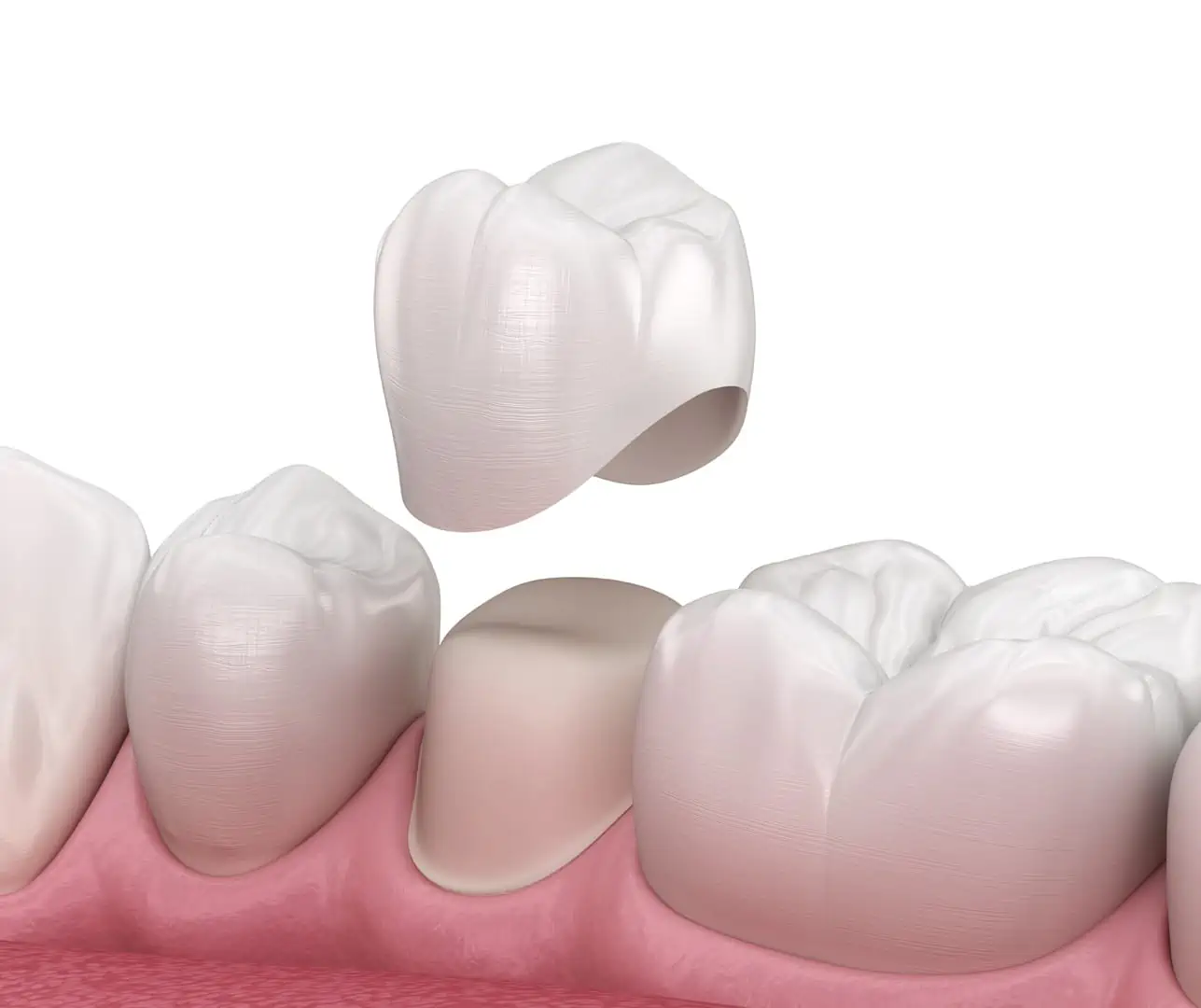
What Is a Ceramic Dental Crown?
A ceramic crown is a custom restoration that covers the visible portion of a prepared tooth. It can restore strength, shape, function, and appearance when a tooth is too damaged or weakened for a smaller restoration.
Dr. Fugate may recommend a ceramic crown for:
- Cracked or broken teeth
- Large areas of decay
- Teeth weakened by large fillings
- Significant wear
- Severely discolored or misshapen teeth
- Certain teeth following root canal treatment
- Replacement of an old or failing crown
If you have symptoms or visible damage from a fracture, learn more about our approach to cracked tooth treatment.
Benefits of Ceramic Crowns
Ceramic crowns combine restorative protection with natural-looking aesthetics. Depending on your individual case, benefits may include:
- Tooth-colored, metal-free appearance
- Customized shade and shape
- Protection for weakened tooth structure
- Restored chewing function
- Improved tooth shape and appearance
- No visible metal line
- Durable results with proper care
The best crown material depends on the tooth being restored, bite forces, cosmetic goals, and other clinical factors.
How Does the Ceramic Crown Process Work?
Ceramic crown treatment commonly involves two main visits.
1. Examination and Tooth Preparation
Dr. Fugate evaluates the tooth, surrounding gums, existing restorations, and bite. Damaged or decayed areas are addressed, and the tooth is carefully shaped to create space for the crown.
2. Impression, Shade Selection, and Temporary Crown
Detailed impressions or scans are used to create your custom restoration. A shade is selected to coordinate with nearby teeth, and a temporary crown protects the prepared tooth while the final crown is being made.
3. Final Crown Placement
At your final visit, Dr. Fugate checks the crown's fit, appearance, contacts, and bite before securing it in place. Adjustments can be made to help the restoration feel comfortable and function naturally.
Who Is a Good Candidate for a Ceramic Crown?
A ceramic crown may be appropriate when a tooth has lost enough structure that a smaller restoration may not provide adequate protection.
Candidates may include patients with a large filling, significant decay, fracture, extensive wear, weakened tooth, or a restoration that needs replacement.
For a small chip or limited cosmetic defect, a more conservative option such as dental bonding may be appropriate instead.
Ceramic Crown vs. Dental Filling
A filling repairs a specific damaged or decayed portion of a tooth, while a crown provides much broader coverage.
When enough healthy tooth structure remains, tooth-colored fillings may provide a more conservative solution. A crown may be recommended when extensive damage or a large existing restoration leaves the tooth vulnerable to further fracture.
Dr. Fugate will recommend treatment based on how much healthy tooth structure remains and the forces placed on the tooth.
Ceramic Crown vs. Veneer
Crowns and veneers can both improve appearance, but they serve different purposes.
A crown covers substantially more of a prepared tooth and can provide structural protection. Veneers primarily improve the visible surface of appropriately selected teeth and are generally considered for cosmetic concerns rather than significant structural damage.
The right treatment depends on tooth health, existing restorations, cosmetic goals, and how much protection is necessary.
Ceramic vs. Porcelain Crowns
The terms ceramic and porcelain can overlap because porcelain is a type of dental ceramic. Different crown materials and fabrication methods offer different combinations of strength and aesthetics.
Our separate guide to porcelain crowns provides additional information about that restorative option.
Rather than assuming one material is best for every patient, Dr. Fugate considers the tooth's location, appearance, remaining structure, and bite before recommending a restoration.
Ceramic vs. Zirconia Crowns
Zirconia is also a type of dental ceramic. It is known for strength and may be considered in areas exposed to substantial chewing forces, while other ceramic materials may be selected when specific aesthetic characteristics are important.
Neither option is automatically better. Tooth location, bite, grinding habits, remaining tooth structure, and cosmetic expectations should guide material selection.
Risks and Limitations of Ceramic Crowns
Ceramic crowns are durable restorations, but they are not permanent or indestructible.
Possible limitations include:
- Natural tooth structure must be prepared
- Ceramic can chip or fracture
- A crown can become loose or damaged
- Decay can develop around or underneath a crown
- Bite adjustments may occasionally be needed
- A crown may eventually require replacement
Patients who grind or clench their teeth may also place additional stress on crowns and natural teeth.
How Long Do Ceramic Crowns Last?
Ceramic crowns can last many years with proper care, but there is no guaranteed lifespan. Longevity depends on the crown material, tooth location, bite forces, oral hygiene, grinding or clenching, diet, and condition of the underlying tooth.
Regular dental examinations allow Dr. Fugate to monitor the crown, its margins, and the supporting tooth for changes.
How to Care for a Ceramic Crown
A crowned tooth still requires daily care. Brush twice a day, floss around the crown, and maintain regular dental examinations and cleanings.
Avoid chewing ice or using your teeth to open packages. If your crown becomes loose, uncomfortable, chipped, or changes the way your bite feels, schedule an evaluation.
How Much Does a Ceramic Crown Cost in Goshen, IN?
The cost of a ceramic crown varies according to the tooth being restored, amount of damage, crown material, foundation required, and whether additional treatment is necessary.
Goshen Smiles provides a personalized treatment estimate after evaluating your tooth. CareCredit and Cherry Financing are available for eligible patients. Visit our financing and insurance options page for additional information.
Why Choose Goshen Smiles for Ceramic Crowns?
Dr. Deana Fugate earned her Doctor of Dental Medicine degree from the University of Kentucky in 2003 and completed an Advanced Education in General Dentistry residency in 2004. She later served as a U.S. Navy Dental Officer, including a seven-month deployment to Iraq.
At Goshen Smiles, Dr. Fugate emphasizes personalized, preventive, and conservative dentistry with attention to long-term oral health. Learn more about her background when you meet Dr. Deana Fugate.
Goshen Smiles is a female- and veteran-owned practice offering family-focused care in English and Spanish.
Ceramic Crowns Near Elkhart and Middlebury, IN
Goshen Smiles is located at 1213 W Lincoln Ave, Goshen, IN 46526 and welcomes patients from Goshen, Elkhart, Middlebury, Midway, Rieth Park, and nearby northern Indiana communities.
If you have a cracked, worn, weakened, or heavily restored tooth, Dr. Fugate can determine whether a ceramic crown or a more conservative restoration is appropriate.
Call 574-533-6911 to schedule your consultation.
Frequently Asked Questions About Ceramic Crowns
What Are the Disadvantages of Ceramic Crowns?
Ceramic crowns require preparation of the natural tooth and may eventually chip, fracture, loosen, or require replacement. The underlying tooth can also develop decay. Proper case selection, daily oral hygiene, regular dental care, and protection from excessive bite forces can help support long-term success.
Which Crown Is Better, Porcelain or Ceramic?
Porcelain is itself a type of dental ceramic, so these terms can overlap. The most appropriate material depends on the tooth's location, remaining structure, bite forces, and desired appearance. Dr. Fugate can recommend a crown material based on your individual restorative and cosmetic needs.
Is a Ceramic Crown Worth It?
A ceramic crown can be a valuable treatment when a damaged or weakened tooth needs more protection than a filling or bonding can provide. Whether a crown is worthwhile depends on the condition and long-term prognosis of the tooth, available alternatives, treatment cost, and your individual goals.
What Is the Average Lifespan of a Ceramic Crown?
Ceramic crowns can function for many years, but lifespan varies considerably. Oral hygiene, bite forces, grinding or clenching, tooth location, crown material, and the health of the supporting tooth all affect longevity. Routine dental examinations help identify problems before they become more extensive.
Can a Tooth Rot Under a Crown?
Yes. A crown protects the visible prepared tooth but does not make the underlying tooth immune to decay. Plaque can accumulate near the crown margin, especially when oral hygiene is inadequate. Daily brushing, flossing, and regular dental examinations remain important after crown placement.
Which Is Better, a Porcelain or Zirconia Crown?
Neither material is universally better. Zirconia is a strong dental ceramic and may be useful in areas exposed to substantial chewing forces. Other porcelain or ceramic materials may offer different aesthetic characteristics. Tooth location, bite, remaining structure, and appearance goals should guide the decision.
Are Ceramic Crowns Strong Enough for Back Teeth?
Certain modern ceramic materials can be used successfully on back teeth when appropriately selected. The best material depends on chewing forces, available tooth structure, bite, and whether you grind or clench. Dr. Fugate evaluates these factors before recommending a crown material.
Is Getting a Ceramic Crown Painful?
The tooth is typically numbed during crown preparation to keep treatment comfortable. Some temporary sensitivity or gum tenderness can occur afterward. Persistent or worsening discomfort should be evaluated, especially if the tooth had significant damage or symptoms before treatment.
Can an Old Metal Crown Be Replaced With a Ceramic Crown?
In many cases, an older crown can be replaced, but the tooth underneath must first be evaluated. Dr. Fugate will assess the remaining tooth structure, decay, bite, and condition of the existing restoration before determining whether a ceramic replacement is appropriate.
Most patients benefit from visiting the dentist every six months. However, patients with certain conditions, such as gum disease, may need more frequent visits.

Restore and Enhance Your Smile with Ceramic Crowns
A damaged tooth does not always need the same solution. At Goshen Smiles, Dr. Deana Fugate carefully evaluates your tooth and recommends a restoration designed around its health, function, appearance, and long-term needs. Goshen Smiles 1213 W Lincoln Ave, Goshen, IN 46526 574-533-6911 Serving Goshen, Elkhart, Middlebury, Midway, Rieth Park, and surrounding northern Indiana communities. Schedule Your Ceramic Crown Consultation